High level understanding of staking rewards on the Solana Blockchain
There is a lot of good deep technical information out there on the rewards you can receive on the Solana blockchain and the various methods of achieving them. Sometimes it feels like you need a lifetime of traditional finance expertise to understand it all AND a computer science PhD to grok the nerdy parts. This article seeks to cut through those weeds and clearly give a high level overview of the most basic part — natively staking your SOL tokens on a validator and getting a return on it.
As with everything in life things change. This is being written in May 2025 after some things changed[1][2] and before other things will be put in place[3]. When you read other articles be sure you check the date of publication as the freshness of this information is key.
Further, if you find this content helpful, stake with us at Valigator. If you have any questions hit us up at our contact form OR book a 1:1 consultation and we would be happy to help you out!
Disclaimer: Valigator has no association or partnership with any service, product or company mentioned here.
Mistakes, typos, omissions: contact us please. We’re all human. Be kind.
Lets get a few details out of the way
The Solana blockchain is a “Proof of Stake” network. What this means for the staker is that you receive rewards based on the delegated amount to a validator much like interest in a savings account. Mechanically and where the yield comes from is different but the analogy holds. You place an amount of an asset (your solana tokens) up on an account (stake account on a validator) and periodically (an epoch, ~every two days) receive something for it (rewards).
This FAQ on the Solana Foundation website speaks to some of the more common questions, however we have not found many resources that clearly walk through what rewards are and how you interact with them.
First let’s talk about the multiple buckets of where each component contributes to the total amount and add to your annual percentage yield (APY). The attraction to Solana today is in how these all add up and give very little risk to the staker.
Again — we’re not going to dive into deep technical or finance topics here. I can recommend these for further reading. I will caution though, always note your sources as some operators will leave out details which makes their service look more fruitful than others on paper and compared to others (read on here for that) :
How to Stake SOL on Solana (Helius)
What is staking in crypto and how does it work? (Phantom)
How to Stake Solana (Investopedia)
Staking and Inflation FAQ (Solana Foundation)
Bucket 1 — Inflation
The first bucket is “inflation”, sometimes called issuance. At the time of this writing[4] the inflation rate rate is 4.51%.
Bucket 2 — Maximal Extractable Value (MEV)
The second bucket comes from a type of “tip” that is paid to process transactions. This amount is extremely variable, and is the most lucrative during times of congestion or high traffic on the network. Due to the variable nature it feels disingenuous to claim an exact APY amount. We can confidentially say however, historically on our longest running validator this bucket is about 20% of the total rewards.
Project Spotlight: Jito — Efficient MEV for Solana (Squads)
What is MEV (Maximum Extractable Value) and How to Protect Your Transactions on Solana (QuikNode)
Bucket 3 — Block Rewards & Priority Fees
The final bucket is block rewards and priority fees. Block rewards are an amount the validator receives for building blocks that end up as part of the blockchain. Priority fees are similar to MEV in that it is paid by the submission of a transaction. Think of it as a toll lane. This bucket is not shared with stakers today (read on for this), on our longest running validator accounts for about 11% of total rewards overall if you total it all up.
Why should a staker care?
You should know at least a little bit about this all because it affects the yield you receive from the validator you stake with. Validators set a commission on the first two buckets (Inflation and MEV). Today there is no sharing of rewards from this third bucket (block rewards and priority fees) with stakers.
Details Matter.
When you go to delegate your stake to a validator you will see a “commission” number advertised. Unfortunately, every wallet and website shows this differently. If you only see one number, does this mean just bucket 1? Is it the average of bucket 1 and 2?
For example let’s walk through how this looks. I’m not picking on this validator or the wallets, I just noticed them in the validator list and they illustrate this point perfectly.
Phantom Wallet, a popular browser based chrome extension shows this information for a validator called “Chorus One” when you search for their name.
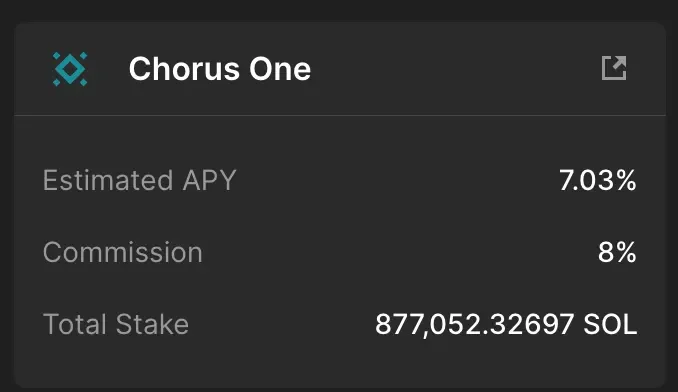
SolFlare, another wallet, looks like this. Note the different yield estimate and no commission shown.
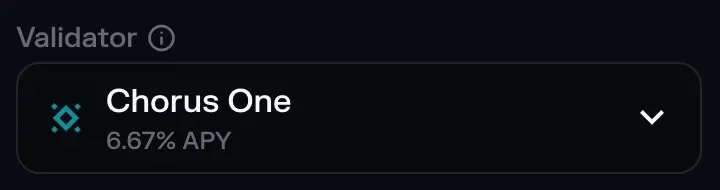
Here is Backpack, yet another wallet. This time we see a commission (which one?!) and no yield estimate.

Now if you look on one of the popular validator tracker websites called StakeWiz you see their actual commission is split 8% for inflation but 50% for MEV. Yes 50%. Source.

Now if you are a small staker this isn’t a huge amount but it’s money none the less. This validator has 877k SOL staked to it so that actually is a significant amount. And some of these stakers could be missing out on a TON of rewards over time.
StakeWiz also attempts to estimate APY based on extrapolating the data from last 10 epochs. You can see how their 50% cut of MEV drops the yield estimate.


What about the future?
Because engineers love to change things, there is a change coming late in 2025 to include bucket 3 natively on-chain. Up till now, some validators have contracts directly with stakers to share a portion of these. This change will totally change these dynamics, and potentially make the advertised APY numbers even. more. confusing. Will the wallets finally display all three buckets of commissions? Will they average them?

How and why do some advertise 0% commission?
The advertised rate of 0% commission is a sticky and very detailed subject. If it truly is 0% inflation AND 0% yield, that’s a good deal from the staker’s perspective for sure.
The 13 million SOL gorilla in the room, Helius.

Validators like these make their income in other ways. Side deals on the block rewards / priority fees, and other business to business arrangements. Remember the saying, if something is free you are the product. That applies here.
Other unscrupulous validators will advertise “0% fees!”, but hide that they actually are taking some other amount on MEV commission. This screenshot is not as bad as others I’ve seen in the past but illustrates the point.
And some even worse will occasionally raise theirs from 0% to X% on both buckets hoping that their stakers won’t notice!
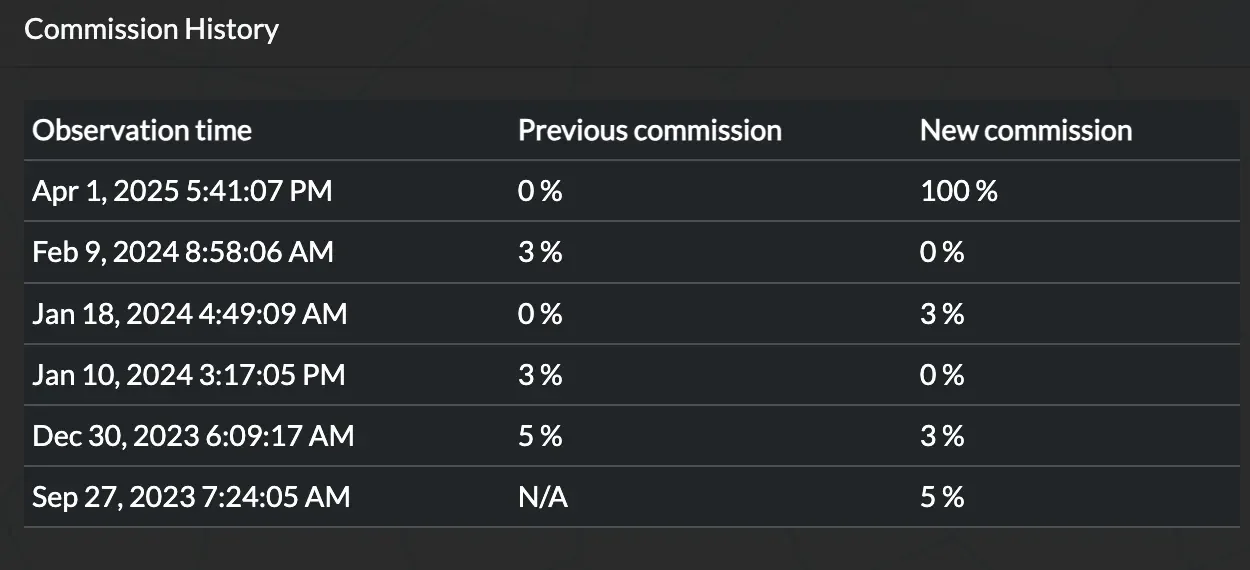
What can you do about it?
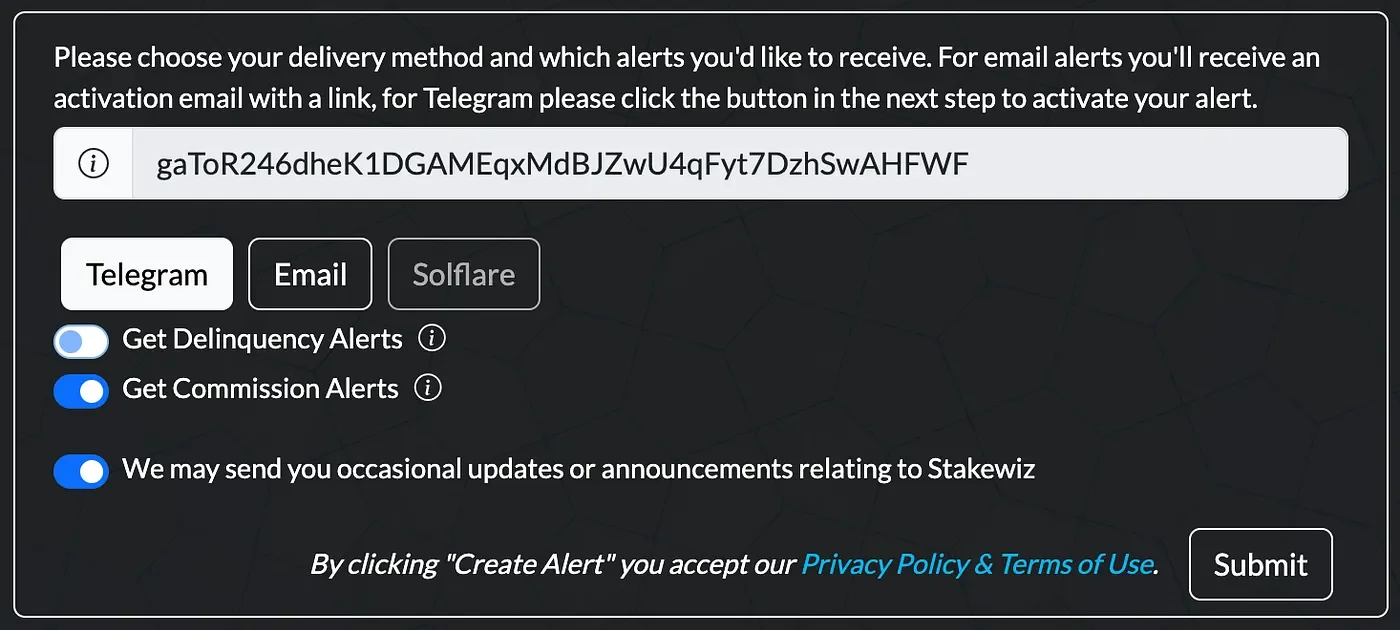
In our opinion, trust is important. But so is verifying. We suggest using an alerting mechanism like on StakeWiz to alert you when commission is changed. This sends notifications over telegram or email.
How do you stake?
We’ve covered a lot of the topics surrounding staking so far but how do you actually do it? We will leave deep details of staking for a follow up article, and just include the basics here. In general, any where you hold SOL (like a wallet or centralized exchange) you can initiate a stake delegation. Some however force you to use their own validator which conveniently will have much higher commission than others.
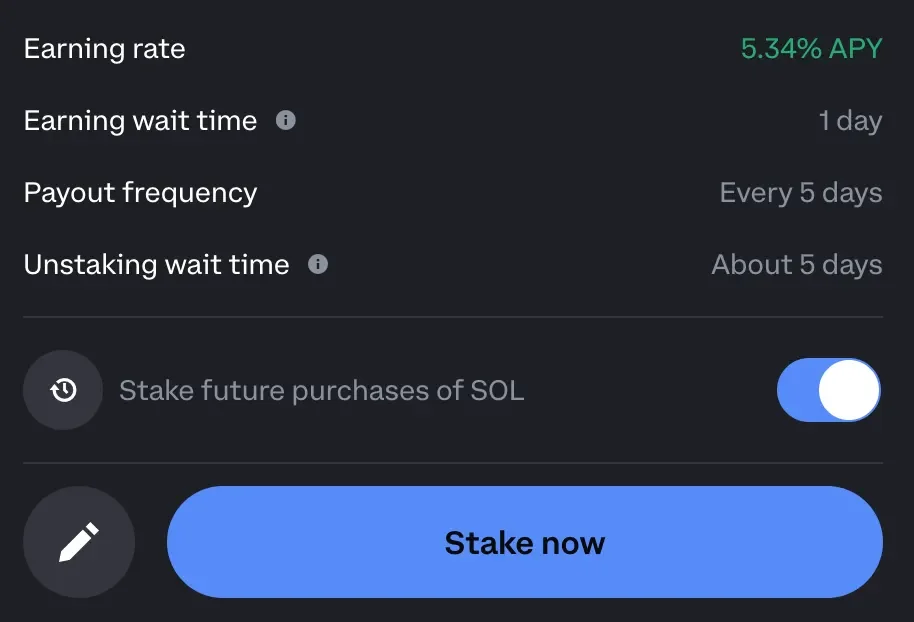
Coinbase (centralized exchange), you have very little control over staking. You are forced to use their validator:
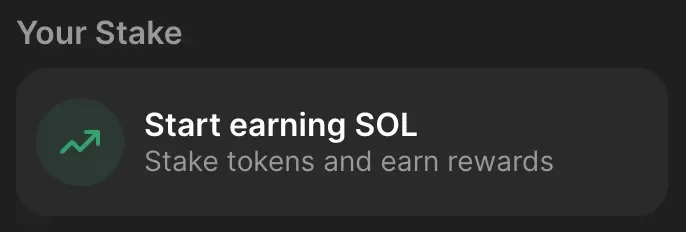
Phantom Wallet, you click the “start earning SOL” button.
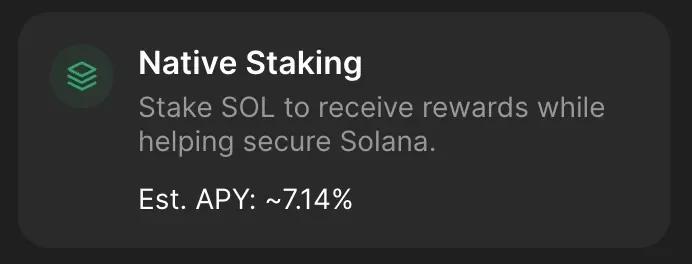
Then you click the native staking button.
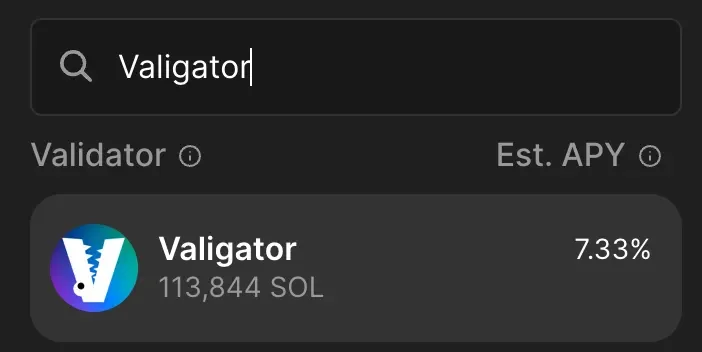
Then you start typing Valigator in the search box:
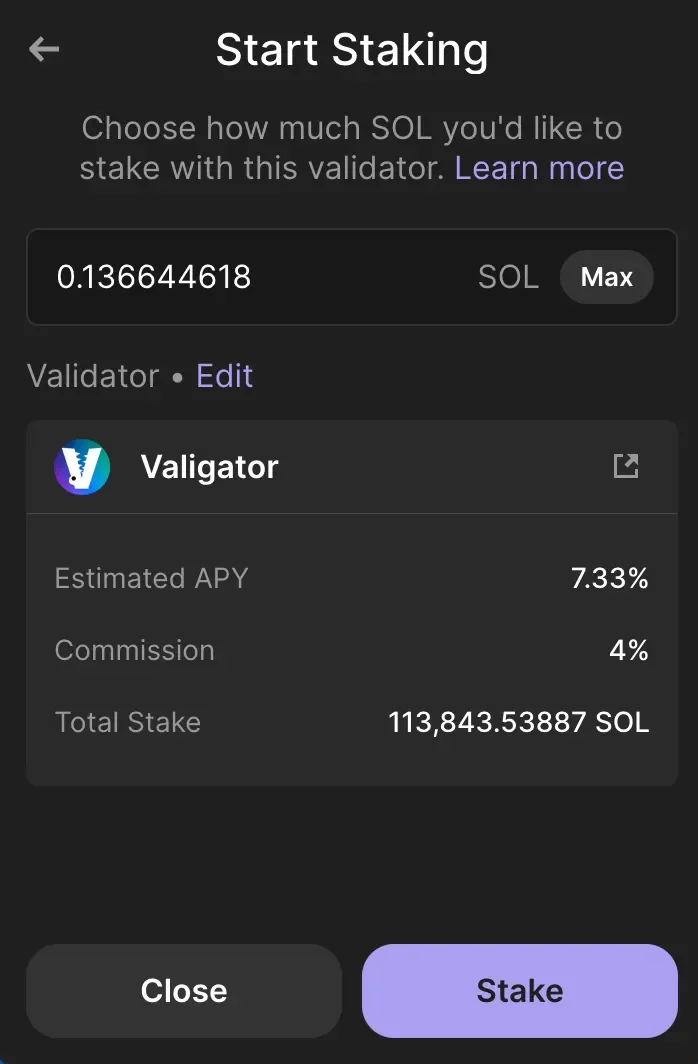
Enter the amount you want to stake (or click Max) and click stake.
The workflow on other wallets is similar, but not always the exact same.
SolFlare seems to hide the “stake” button. If you find it, you see they “suggest” their own validator first but give you a search box for others.
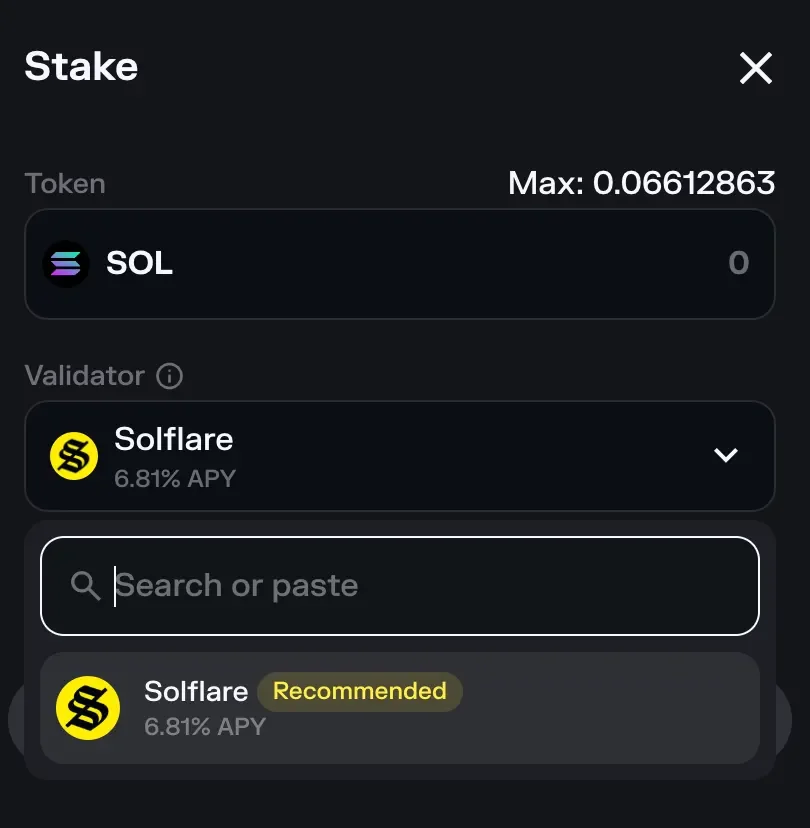
Backpack on the other hand seems to obscure the fact that there are other validators. Though they do give a subtle other validators “button”.

Where are your rewards?
Now that you have your SOL delegated to a validator. You just sit back and relax and let the rewards flow in (sorta). But where do they go?
If you take nothing else away from this article know this:
The first bucket of inflation rewards auto compounds.
The second bucket of MEV rewards does not auto compound.
In other words, the first bucket of rewards gets automatically added to your staked amount and also gets staked. Rinse and repeat. Absolutely nothing for you to do.
The second bucket sits and does not earn yield. You have to manually “harvest” these rewards, or just ignore them and they come with when you withdraw your stake in the future.
You can see these details on a website like SolScan which is a blockchain explorer. Plug in your wallet address and click on it. Full address obscured here to reduce spam.
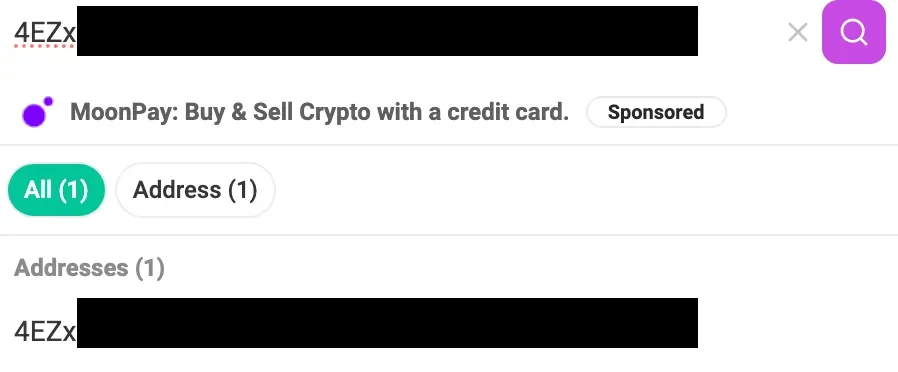
Now on the main address page look for the “stake accounts” button. This page shows a list of one or more stake accounts this wallet has delegated. Here we see a large amount delegated to Valigator. If you click on this 9D5Z.. account you will see reward details.

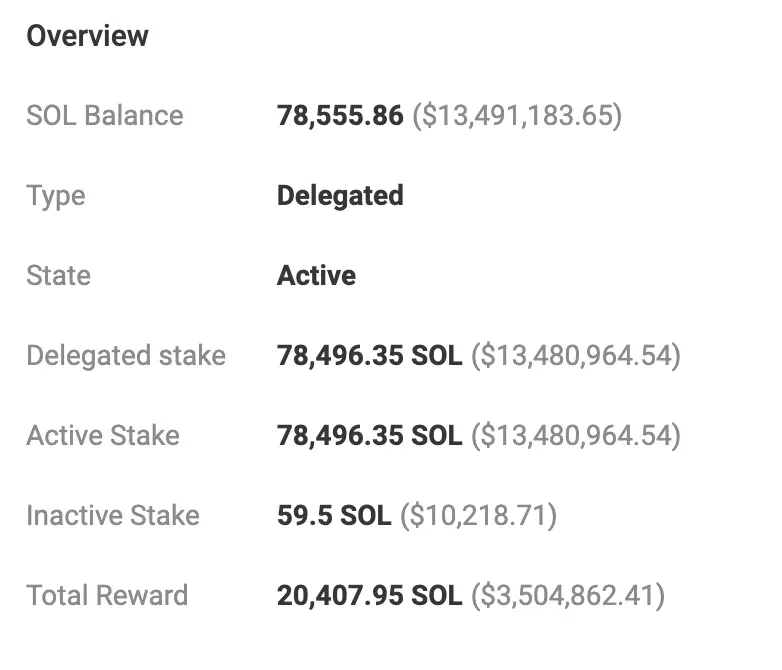
Here is where you can see all the nitty gritty details. The important part being the active stake. Active is the amount currently earning rewards. Inactive is the amount of SOL in this stake account that has NOT been delegated to the validator. Most likely this is the Jito tips.
Why are those rewards “inactive”?
This staker is obviously doing very well. I read this to say they probably originally staked about 58k SOL, they were rewarded ~20.5k SOL over time resulting in ~78.5k SOL at the moment. The extra 59 SOL is small in comparison but is still ~$10k USD sitting not earning yield. These are the MEV rewards. You can go to the Jito Harvest page and withdraw this amount to SOL and re-delegate or just hold it and use it. It’s yours.
Conclusion
As you can see even though this is intended to be a high level article, it still can get a bit confusing. The blockchain eco-system has room to grow for this to be as simple as a traditional finance-like experience.
If you found this helpful, stake with Valigator! If you have any questions hit us up at our contact form OR book a 1:1 consultation and we would be happy to help you out!
[1] Implemented Feb 2025, SIMD-96 stopped burning 50% of priority fees, and now sends 100% to the validators. Source.
[2] SIMD-228 failed to pass in March 2025. This would have sped up the inflation rate decrease. [source]
[3] SIMD-123 passed in March 2025. This will enable in protocol sharing of block rewards and priority fees. As of this writing it is not enabled.
[4] In epoch 792 — May 2025
